

Private jet travel in Australia has become an essential asset for high nett worth individuals, executives and discerning travellers who value time, privacy and convenience. With over 7.7 million square kilometres to cover and many destinations beyond the reach of commercial airlines, private plane hire offers the flexibility to move seamlessly between meetings, events and remote retreats.

The right aircraft choice can make all the difference — turning hours of travel into productive time and ensuring every journey supports both your business and lifestyle goals.
Recent data reveals that private aviation is experiencing unprecedented growth, with the global market expanding from $21.24 billion in 2024 to $24.28 billion in 2025. But which aircraft are actually flying the most missions, and why do experienced charter clients consistently choose them?
Drawing from flight departure statistics, industry reports and decades of operational data, we’ve identified the best private jets operating in Australian airspace today. These aren’t just the most expensive or the newest models – they’re the aircraft that deliver the perfect combination of range, reliability and real-world performance for Australian conditions.
The Ultra-Long-Range Champions: When Distance Defines Success
When Perth-based mining executives need to reach Dubai for investor meetings, or Sydney venture capitalists are flying to Silicon Valley, one aircraft name consistently appears on the manifest: the Bombardier Global Express.
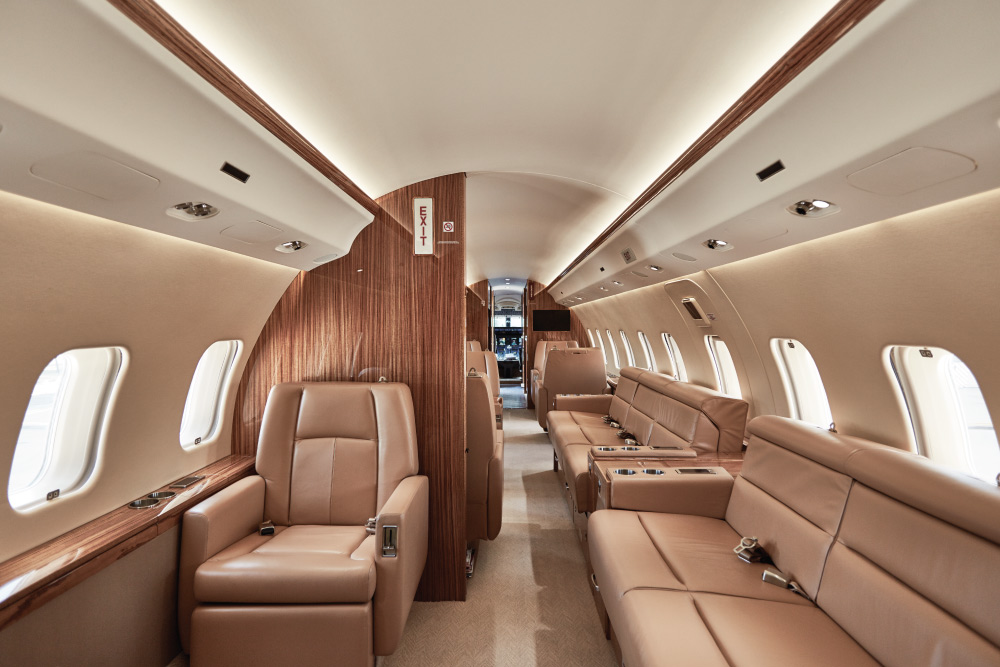
With an impressive maximum range of approximately 11,000 km under ideal conditions, the Global Express family has redefined what’s possible in business aviation. The aircraft set new standards in both speed and range, with one memorable 2019 flight covering the distance from Sydney to Detroit — the longest flight ever recorded in business aviation history.
While some ultra-long-range variants can approach nonstop routes from Sydney to Los Angeles or Dubai, most Global Express flights from Australia to Europe or North America include one efficient refuelling stop — far fewer than commercial itineraries.
Why Australians choose it:
The tyranny of distance hits Australian businesses harder than most. While European executives can hop between capital cities in 90 minutes, Australian counterparts face five-hour flights just to cross our own country. The Global Express eliminates the pain of stopover delays, customs queues in transit hubs and the productivity drain of fragmented travel.
Mining magnates use these aircraft to connect remote operation sites in the Pilbara with Perth headquarters, then continue directly to business hubs such as Dubai or Singapore — all within the aircraft’s comfortable long-range envelope. Technology entrepreneurs leverage the onboard connectivity to maintain video conferences at 45,000 feet, transforming long-haul flights into productive work sessions rather than lost time.
The cabin configuration typically features a master bedroom with ensuite, conference area and private workspace — essentially a flying executive office. For families, the Global Express has become the preferred choice for extended overseas holidays, allowing direct Brisbane or Sydney to Dubai, Honolulu or Singapore routings that commercial airlines simply cannot offer on a private schedule.
Gulfstream G650ER: The Gold Standard
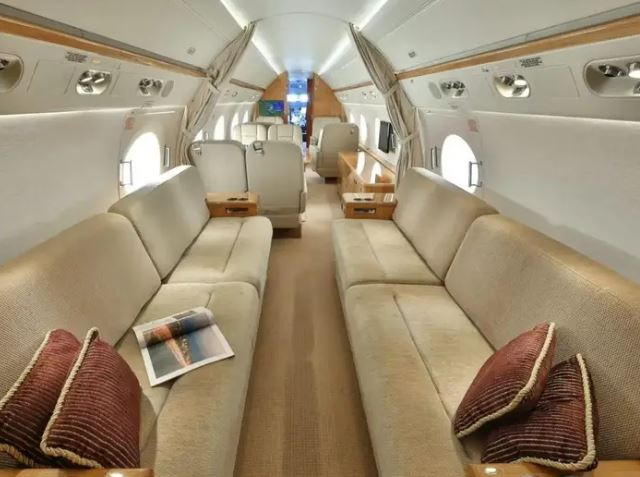
If the private jet world has royalty, the Gulfstream G650ER wears the crown. This aircraft doesn’t just transport passengers – it makes a statement. With a maximum range of 13,890km, it can connect Sydney to Los Angeles or Melbourne to Dubai without the need for constant stops.
The lifestyle advantage:
Gulfstream owners and regular charter clients share a common trait: they understand that time is their most valuable asset. The G650ER consistently ranks among the top 10 most-preferred aircraft for private jet charter Australia operations, and for good reason.
Queensland property developers use these jets to scout investment opportunities across Asia-Pacific markets, touching down in Singapore, Tokyo and Hong Kong in a single sector. The aircraft’s ability to maintain cabin pressure at the equivalent of 4,850 feet (even when cruising at 51,000 feet) means passengers arrive genuinely refreshed rather than jet-lagged.
For Australia’s entertainment elite, the G650ER offers genuine privacy for international travel. When film crews need to move between Studios in Australia and Hollywood production facilities, or when musicians are touring between continents, this aircraft provides a sanctuary from public airports and commercial airline scrutiny.
The cabin’s 16 panoramic windows flood the interior with natural light, whilst the whisper-quiet environment allows normal conversation at cruise altitude. It’s not uncommon for charter clients to hold confidential board meetings or negotiate sensitive transactions whilst crossing the Pacific, with the aircraft’s advanced soundproofing ensuring complete discretion.
Dassault Falcon 7X: The French Alternative
The Falcon 7X brings European sophistication to long-range travel, coupled with a unique capability that sets it apart: its shorter-field performance relative to most heavy jets. This tri-jet can access airports that larger twins cannot, opening up destinations across regional Australia and the Pacific Islands.

Where it excels:
Australian vintners flying to Bordeaux for harvest consultations, fashion executives connecting Melbourne with Milan, and diplomats shuttling between Canberra and European capitals – the Falcon 7X serves a discerning clientele who appreciate French engineering and design philosophy.
The tri-jet configuration provides an extra margin of safety for overwater operations, particularly appreciated when crossing the Tasman to New Zealand or venturing to Pacific Island resorts. With a range of approximately 10,900 km, the aircraft comfortably handles intercontinental flights with a full payload.
While it can operate from runways shorter than most heavy jets (around 1,750 m), references to small unpaved strips should be avoided — the 7X still requires paved surfaces for safe operation. The advanced digital flight controls make it one of the smoothest-riding aircraft in its class, a feature particularly appreciated during Australia’s summer turbulence.
The Super-Midsize Sweet Spot: Australia’s Workhorse Category
Bombardier Challenger 350/605: The Most-Flown Aircraft in the Sky
Here’s a remarkable statistic: the Challenger 300 series accounted for 210,308 departures in North America during 2024 alone – representing 8% of all private jet flights. Over 1,000 aircraft have been delivered across the Challenger family, consistently making it the bestselling super-midsize business jet globally.

Why it dominates Australian charter:
The Challenger series has become the default choice for corporate Australia, and the numbers explain why. With a range of up to 7,400 km depending on model, the Challenger effortlessly covers Sydney to Singapore, Melbourne to Bali, or Perth to Darwin trips.
ASX-listed companies use Challengers for executive roadshows, flying the CEO and CFO between capital cities for investor presentations. The stand-up cabin provides genuine comfort for taller passengers – a particular advantage for Australia’s sports teams and athletes travelling to competitions.
The Challenger’s generous baggage capacity (over 3 cubic metres) accommodates everything from golf clubs to breakdown parts. Film production companies favour these jets when moving crews and equipment between locations, whilst medical evacuation services appreciate the aircraft’s ability to accommodate stretcher configurations.
Cessna Citation Sovereign: The Reliable Performer
The Citation family has earned a remarkable distinction: one Citation aircraft takes off or lands somewhere in the world every two minutes. The Citation Sovereign exemplifies why this family dominates global business aviation.

The Australian advantage:
With a 5,222km range, the Citation Sovereign handles the majority of Australian domestic routes with ease whilst offering sufficient range for regional international destinations including Fiji, New Caledonia and Indonesia.
Luxe Queensland tourism operators use Citation Sovereigns to transport high-net-worth visitors between coastal resorts and the Great Barrier Reef. The aircraft’s excellent short-field capabilities mean it can access regional airports like Proserpine (for the Whitsundays) or Hamilton Island without the runway length requirements of larger jets — both well within its field performance envelope requiring approximately 1,100–1,200 m of runway.
Corporate clients appreciate the Citation’s lower operating costs compared to heavy jets, making it economically viable for shorter missions. A Sydney to Melbourne return trip, completed in a Sovereign, costs substantially less than operating a Global Express whilst still providing stand-up cabin comfort and business-class amenities.
Agricultural businesses across rural Australia have embraced the Citation Sovereign for property inspections and livestock sales. The aircraft can land at regional airstrips, allowing property owners to inspect multiple holdings across Australian States in a single day – a task that would require a week of commercial airline connections and rental cars.
The Sovereign’s proven reliability means predictable maintenance scheduling and high dispatch reliability. For businesses operating on tight timelines, knowing the aircraft will be available when needed provides enormous peace of mind.
Light Jets: Speed and Efficiency for Regional Australia
Embraer Phenom 300E: The Reigning Champion
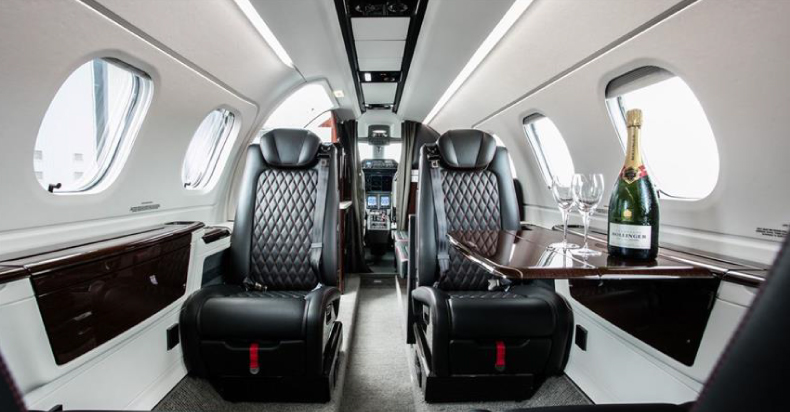
For 13 consecutive years, the Embraer Phenom 300 series has held the title of world’s bestselling light jet. With 192,449 departures in North America during 2024 alone (the second-highest of any private jet), this Brazilian marvel has proven its worth in the most demanding market.
Why it’s perfect for Australian operations:
The Phenom 300E offers a range of about 3,650 km under standard payload conditions, comfortably handling Melbourne to Cairns, Brisbane to Adelaide, or Sydney to Darwin — though Sydney to Perth may require a brief refuelling stop depending on winds and load.
Legal firms use Phenom 300E to shuttle partners between capital cities for court appearances and client meetings. The aircraft’s speed and efficiency mean a Sydney barrister can appear in Brisbane Supreme Court for a morning hearing, return to Sydney for an afternoon conference, and still be home for dinner.
Medical specialists flying between regional centres and metropolitan hospitals favour the Phenom 300’s combination of speed and comfort. The aircraft’s advanced avionics and modern cockpit reduce pilot workload, enhancing safety whilst the cabin’s low noise levels allow specialists to review case notes or consult with colleagues during flight.
For Queensland mining companies, the Phenom 300E provides an economical solution for executive transport and board tours between Brisbane headquarters and mine sites in the Bowen Basin or Mount Isa region. The aircraft’s fuel efficiency (substantially better than comparable jets) reduces operating costs whilst still delivering jet speed and comfort.
Real estate developers conducting site inspections across Australia appreciate the Phenom’s large windows, which provide excellent visibility for aerial property assessments. The baggage capacity, whilst modest compared to larger jets, proves sufficient for overnight business trips and golf weekends.
Citation CJ Series: The Most Popular Private Jet Family in the World
The Citation name carries enormous weight in business aviation – and with good reason. With one Citation taking off or landing every two minutes globally, this family has achieved what few aircraft manufacturers can claim: genuine ubiquity.

Progressive capability across the range:
The Citation CJ series offers progressive capability, from the compact CJ1 (2,687km range) through to the impressive CJ4 (4,100km range). This progression allows aircraft hire clients to select exactly the aircraft they need for specific missions, optimising both performance and cost.
Runway requirements range from approximately 900 m for the smaller variants to 1,250 m for the CJ4, giving them access to most regional Australian airports with paved surfaces.
CJ1/CJ2: Perfect for quick regional hops – Sydney to Canberra, Melbourne to Hobart, or Brisbane to the Gold Coast. Medical practices use these jets for specialist consultations in regional centres, whilst politicians appreciate the discretion and efficiency for electorate visits.
CJ3/CJ4: These variants handle longer domestic routes with ease. Perth to Broome, Darwin to Alice Springs, or Sydney to Hamilton Island – missions that would require complex commercial airline connections become simple point-to-point flights.
The Citation Jet family’s single-pilot certification significantly reduces operating costs. For owner-operators or businesses considering fractional ownership, this translates to substantial savings compared to aircraft requiring two-pilot crews.
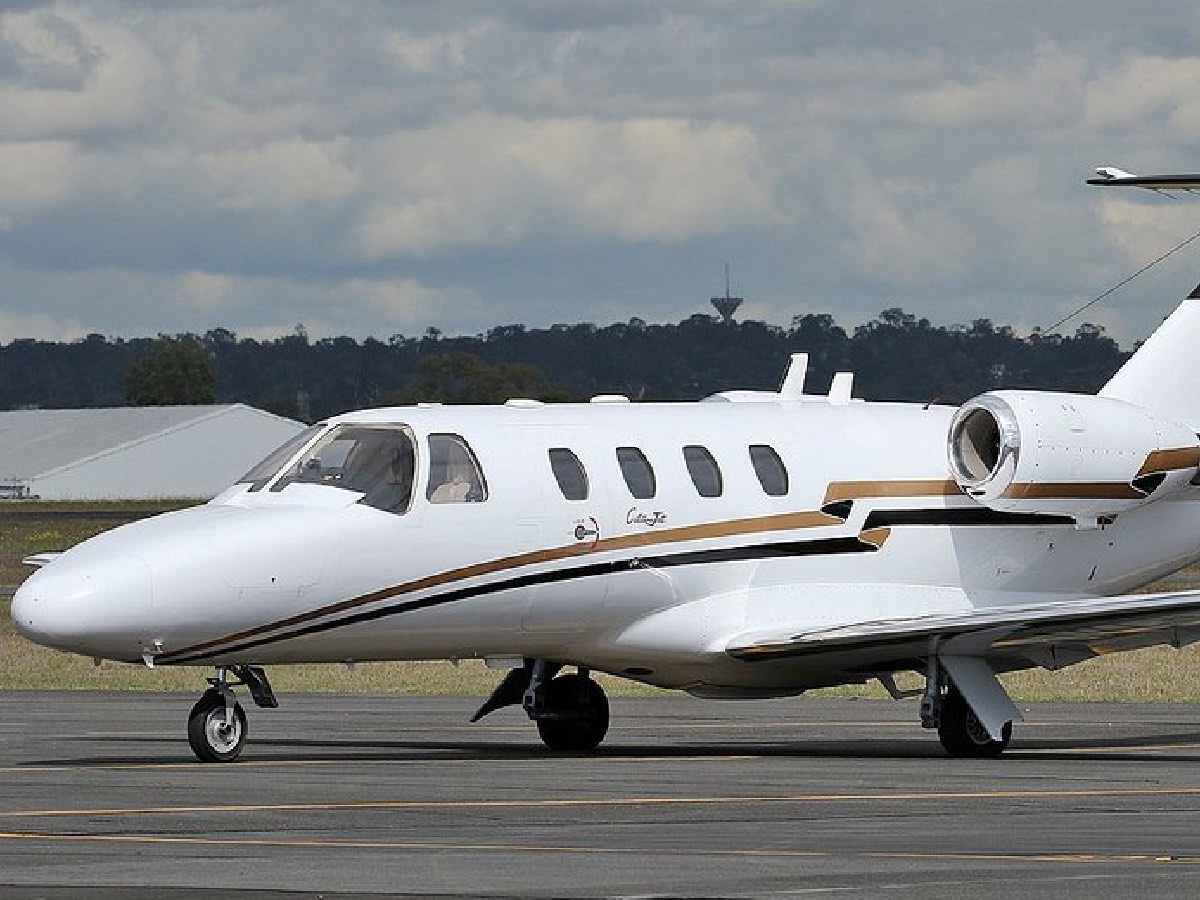
Victorian vineyard owners use CJ3s for wine marketing trips, visiting restaurants and distributors across capital cities. The aircraft can land at regional airports near wine regions, allowing same-day visits to multiple properties – Adelaide’s McLaren Vale, Barossa Valley and Clare Valley all within a single efficient day trip.
Engineering firms conducting infrastructure inspections favour Citation Jets for their reliability and short-field performance. Whether assessing dam infrastructure in Tasmania, bridge projects in New South Wales, or mining facilities in Western Australia, the Citation’s versatility proves invaluable.
Citation X: When Speed Matters Most
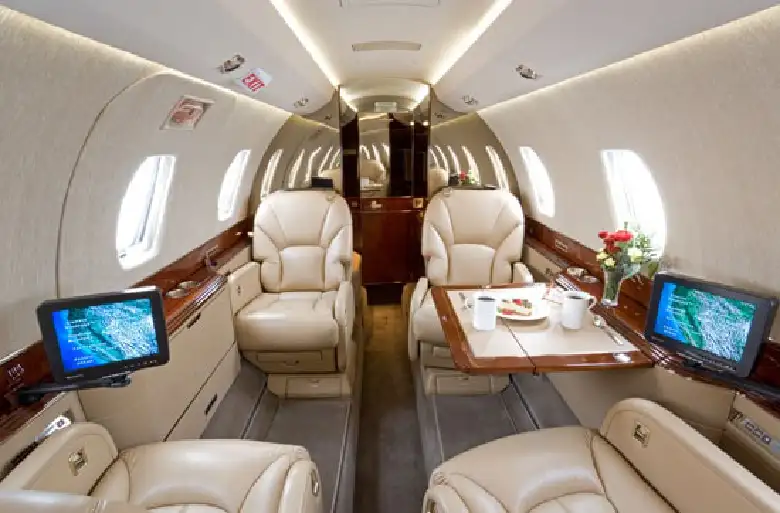
The Citation X holds a special place in business aviation history as one of the fastest civilian aircraft ever produced. With a maximum speed of Mach 0.935, this jet redefines the concept of saving time.
The need for speed:
Investment bankers racing against market closing times, executives salvaging deal timelines, or families responding to medical emergencies – the Citation X serves clients where every minute counts.
The aircraft’s range of around 6,000 km combines with its exceptional speed to shrink Australia’s vast distances. This easily covers any domestic city pairing, as well as routes to Southeast Asia such as Sydney–Bali or Darwin–Singapore.
The aircraft can maintain cruise speeds that keep pace with long-range jets, but with the operating economics of a midsize aircraft.
Media personalities appreciate the Citation X for its ability to compress touring schedules. A Melbourne morning show appearance, Sydney afternoon interview and Brisbane evening event becomes feasible when the aircraft can cruise at speeds approaching commercial airline velocities whilst avoiding the security delays and boarding processes of public airports.
The Turboprop Revolution: Unmatched Versatility
Pilatus PC-12: The Swiss Army Knife of Aviation
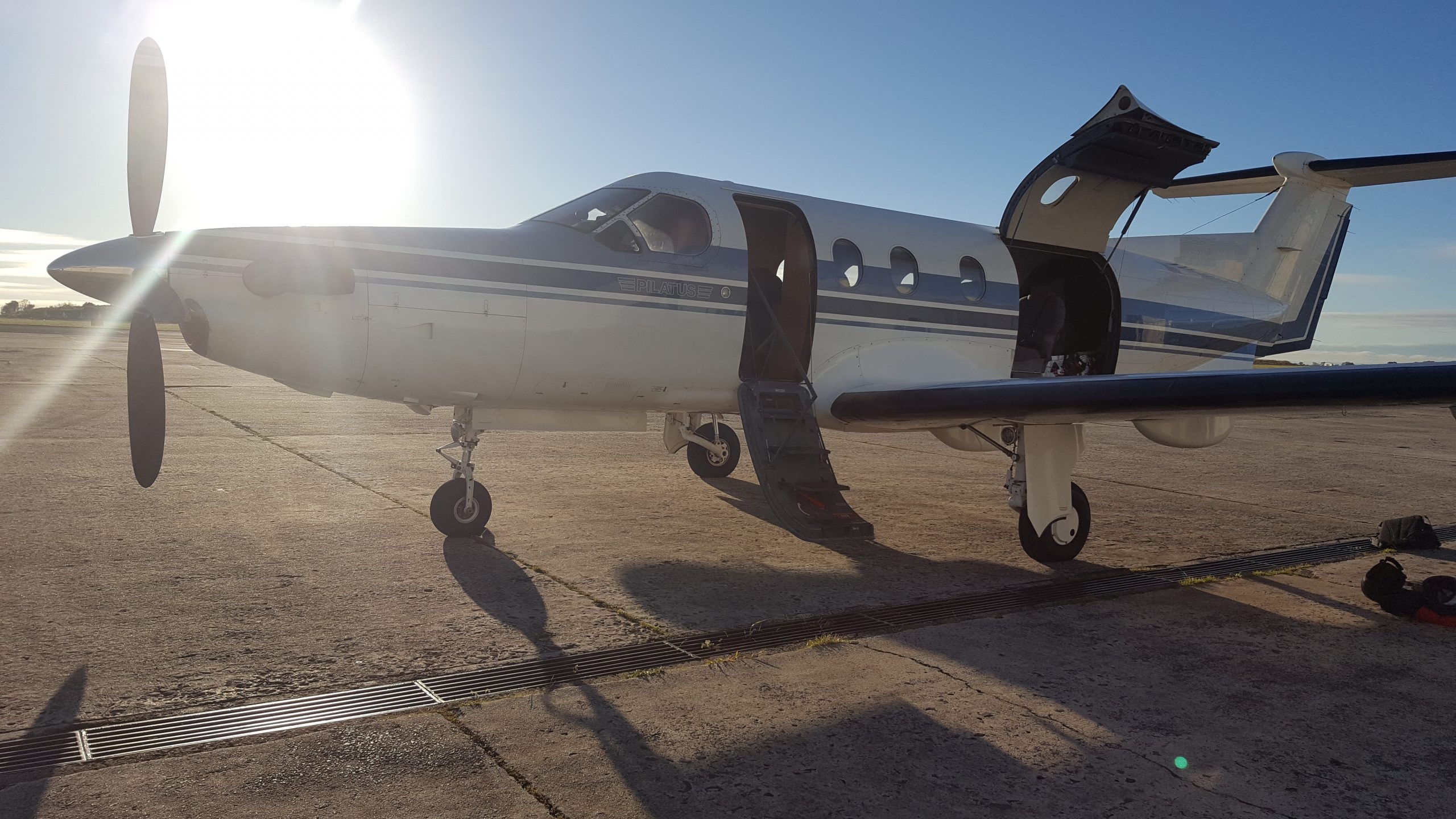
With over 1,750 sold worldwide, the Pilatus PC-12 has earned its reputation as the bestselling single-engine turboprop in aviation history. More remarkably, it has accumulated over seven million flight hours across 25 years of service, proving exceptional reliability.
Why it dominates Australian regional aviation:
The PC-12’s popularity stems from a unique combination of capabilities that perfectly match Australia’s diverse aviation requirements. Key reasons include its large cabin, single-pilot operations, impressive range, high speed and remarkably low operating costs.
Mining and FIFO Operations: The PC-12 has become the aircraft of choice for mine executive operations across Western Australia and Queensland. Its ability to operate from rough, unpaved airstrips means mining companies can establish direct air links to remote sites without investing in runway infrastructure. The large cargo door accommodates mining equipment, geological samples and crew luggage with equal ease.
A typical operation might see a PC-12 depart Perth early morning, fly 1,200km to a Pilbara mine site, deliver crew and supplies, then return the same day – missions impossible for jets requiring paved runways and long landing distances.
Agricultural Aviation: Across Queensland and New South Wales, agricultural businesses use PC-12s for property management. The aircraft’s large windows provide excellent visibility for viewing operations, whilst the cargo capacity handles everything from veterinary supplies to farming supplies. Cattle station owners can inspect multiple properties across vast holdings in a single day, landing on dirt airstrips that would ground conventional business jets.
Tourism and Hospitality: Premium lodges in the Kimberley, outback stations offering luxury experiences, and remote island resorts rely on PC-12s to transport guests. The aircraft combines turboprop economy with near-jet comfort, offering an enclosed lavatory (rare in turboprops) and cabin pressurisation that ensures comfort at altitude.
Medical Services: The Royal Flying Doctor Service and private aeromedical operators favour the PC-12 for patient transport. The aircraft’s flat floor and generous cabin width accommodate stretcher configurations, whilst the single-pilot certification reduces operational complexity during time-critical medical evacuations.
Cost Advantages: The Pilatus PC-12 offers exceptional cost efficiency, with low operating expenses; substantially lower than those of most light jets. For businesses conducting frequent regional flights, this efficiency advantage accumulates into significant annual savings.
Beechcraft King Air 350: The Twin Turboprop Benchmark
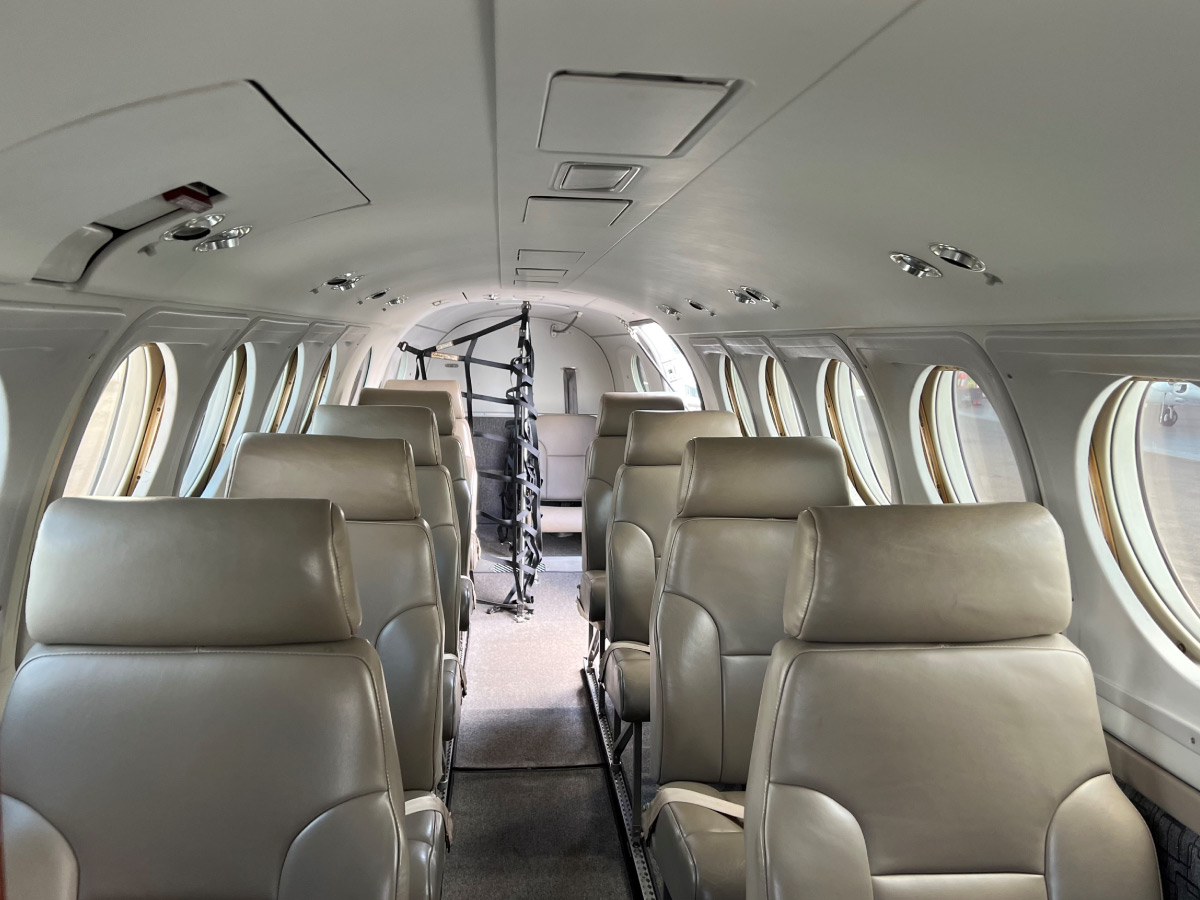
Since 1974, the King Air family has set the standard for twin turboprop operations. The King Air 350 represents the culmination of this development – a proven workhorse that combines safety, capacity and reliability.
Inside the Beechcraft King Air 350 ‘Turboprop’
Where twin engines matter:
The King Air 350’s twin-engine configuration provides crucial redundancy for operations where safety margins matter most. Overwater flights to Tasmania, night operations across remote regions, and missions through challenging weather conditions all benefit from the confidence of dual powerplants.
Corporate Operations: ASX-listed companies operate King Air 350s for executive transport, board member shuttles and investor relation tours. The aircraft’s ability to carry up to thirteen passengers makes it ideal for team travel, whilst the 2,000km range handles most domestic routes efficiently.
Melbourne-based consulting firms use King Air 350s to conduct site visits across Victoria and South Australia, often landing at regional airports like Mount Gambier, Mildura or Portland. The aircraft’s reliability and twin-engine safety appeal to risk-conscious corporate travel managers.
FIFO Advantage: Mining companies operate King Air 350s on FIFO rotations where passenger numbers justify the larger aircraft. The superior payload capacity means the King Air can carry more personnel and equipment than single-engine alternatives, improving operational efficiency.
Government and Defence: Australian government departments and defence contractors favour King Air 350s for maritime patrol, border surveillance and VIP transport. The aircraft’s proven reliability and extensive support network ensure high availability for mission-critical operations.
Charter Services: Popular with charter operators including regional Australian companies, the King Air 350’s ubiquitous presence means passengers benefit from consistent service quality and predictable performance. Maintenance facilities across Australia stock King Air parts, minimising aircraft downtime.
The King Air’s higher cruise speed and altitude capability (35,000 feet versus 30,000 feet for the PC-12) provide advantages in challenging weather. The ability to climb above turbulence and weather systems improves passenger comfort and flight reliability.
Pilatus PC-24: The Game-Changing Super Versatile Jet
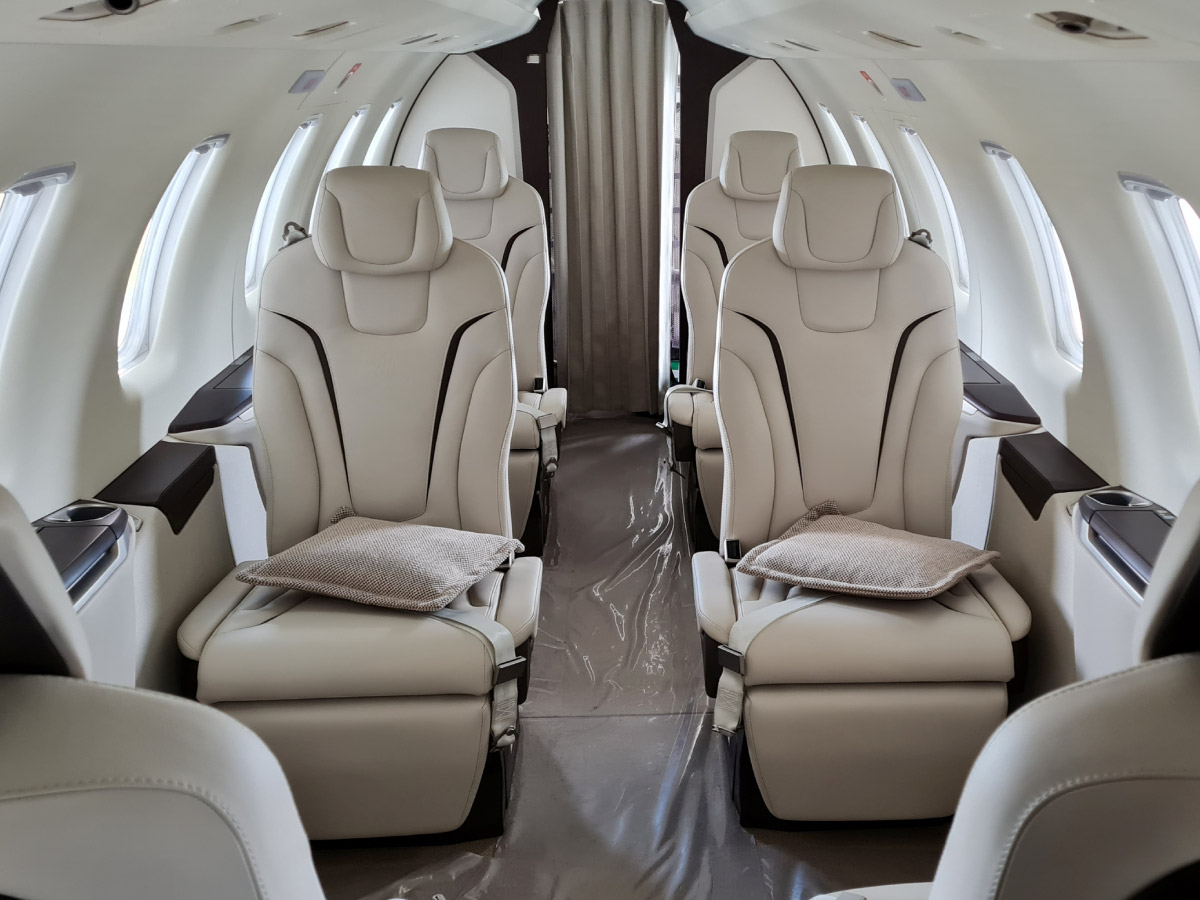
The PC-24 represents a genuinely revolutionary concept: a business jet with turboprop-like versatility. As the first business jet capable of accessing a wide range of airports (over 20,000 globally compared to roughly 1,000 for typical jets), it opens destinations previously reserved for turboprops.
The best of both worlds:
With a 3,700km range and jet cruise speeds, the PC-24 delivers performance comparable to conventional light jets. But add the large cargo door (unique in the jet category) and genuine rough-field capability, and you have an aircraft that defies traditional classification.
Remote Operations: Mining and cattle executives use PC-24s to access remote sites whilst maintaining jet speed and comfort. The aircraft can land on gravel strips, enabling direct access to locations where competitors must land at regional hubs and then transfer to smaller aircraft.
Medical Evacuation: The PC-24’s flat floor, large side cargo door and jet speed make it ideal for time-critical medical evacuations. The aircraft can accommodate full stretcher configurations whilst maintaining the speed advantages of jet transport.
Adventure Tourism: Luxury lodges in remote locations use PC-24s to transport high-net-worth guests. The aircraft lands on short, rough airstrips at exclusive properties, then provides jet comfort and speed for longer positioning flights to capital cities.
Cargo and Logistics: The combination of cargo door, jet speed and rough-field capability makes the PC-24 attractive for time-sensitive freight operations. Spare parts, medical supplies or urgent documents can reach remote locations with unprecedented speed.
Regional Aircraft: When Group Size Matters
Embraer E190: The Group Charter Solution
The Embraer E190 provides an elegant solution for corporate events, tour groups, sporting teams, conference delegates, or wedding parties. With a 4,537km range and spacious cabin accommodating larger groups, this regional jet combines airline-style capacity with private aviation convenience.

Where it shines:
Mining companies use E190s to transport entire shift crews between capital cities and remote sites, consolidating multiple smaller aircraft flights into single, efficient operations. The economics improve when passenger numbers exceed 30.
Sports franchises favour E190s for interstate competitions, keeping teams together whilst avoiding commercial airline exposure. AFL clubs flying between Melbourne and Perth, NRL teams moving between Sydney and Brisbane, or cricket teams touring across capital cities – the E190 provides team cohesion and scheduling flexibility.
Corporate conferences benefit from E190 charter when moving large teams, or bringing executives or clients from multiple cities to a single location. Rather than coordinating complex commercial airline schedules, a single charter flight ensures everyone arrives together, on time, and ready to engage.
The aircraft’s modern Embraer reliability and excellent economics for group travel make it particularly attractive for organisations requiring regular group movements. Concert tours, theatrical productions and entertainment events all benefit from the E190’s capacity and range.
Making the Right Choice for Your Mission
The diversity of popular aircraft reflects the diverse requirements of Australian aviation. From ultra-long-range intercontinental capability to remote airstrip versatility, each aircraft serves specific missions where its strengths align with operational requirements.
For international business: The Bombardier Global Express, Gulfstream G650ER and Dassault Falcon 7X provide nonstop global reach with uncompromised luxury through private jet charter Australia services.
For domestic corporate travel: The Bombardier Challenger series and Cessna Citation Sovereign deliver the perfect balance of range, capacity and economics for Australia’s capital city connections via jet charter operations.
For regional operations: The Pilatus PC-12 and Beechcraft King Air 350 prove their worth daily through plane hire services, accessing destinations beyond the reach of jets whilst maintaining impressive comfort and efficiency.
For versatile jet operations: The Embraer Phenom 300E and Citation CJ series provide modern jet technology with operating economics that make frequent charter plane flights viable.
For unique requirements: The Pilatus PC-24 bridges the gap between turboprop versatility and jet performance, whilst the Embraer E190 handles group movements through private group charter flights with impressive efficiency.
The continued growth of private aviation – with the global market expanding by 14.3% from 2024 to 2025 – reflects the increasing recognition that time is the ultimate luxury. For Australian businesses and individuals navigating our continent’s unique geography, these best private jets provide not just transportation, but genuine competitive advantage.
Whether you’re a mining executive connecting Perth to London, a legal team shuttling between courts, a medical specialist serving regional communities, or a family planning a European holiday, the right private aircraft choice transforms travel from an obstacle into an opportunity.
The most popular aircraft aren’t popular by accident – they’ve earned their status through decades of reliable service, proven performance and the ability to deliver exactly what Australian aviation demands: the freedom to go anywhere, anytime, with confidence.
Ready to experience the difference that aircraft hire through Adagold Aviation’s charter services can make? Contact our team today to discuss your next journey.